Women empowerment is one of the concepts that has attracted a lot of attention in the world. It is the process of empowering women by providing them with power, resources and opportunities to make an independent decision, follow their dreams and really fulfil themselves. This empowerment may come in different forms such as social economic, political and educational empowerment, which are all required in building a just and fair society. In this article, we will discuss in detail about the concept of women empowerment, its importance, types of empowerment and the global initiatives, challenges and the way forward.
Table of Contents
Understanding Women Empowerment
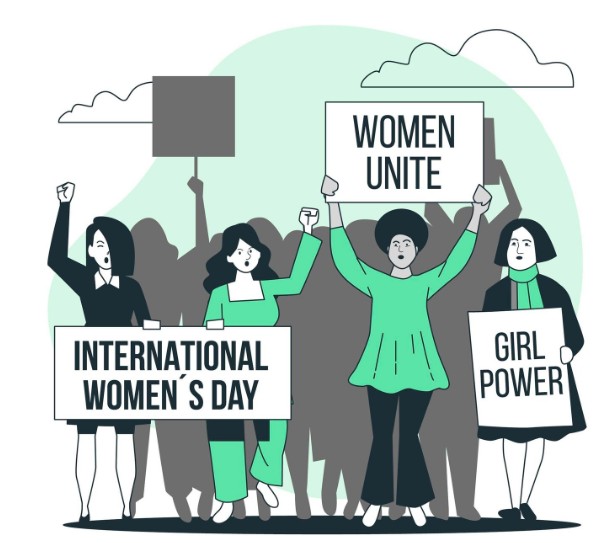
Women’s empowerment entails making an environment where women are free from any choice and decision making without being discriminated and subject to the society pressure. It is an diversified concept that includes a variety of woman’s life, foremost, her opportunity to take part in decision-making, receive education, gain financial independence, and lead a life, devoid of violence and discrimination.
The Importance of Women Empowerment
Women empowerment is essential for several reasons:
- Promotes Gender Equality: Empowering of women guarantees them equal opportunities in all the fields and minimizes the gender gaps.
- Economic Growth: Empowered women can facilitate the economy through employment, entrepreneurship, and leadership position.
- Improved Education and Health: Powerful women usually put education and healthcare first place as concerns themselves and their families.
- Enhanced Decision-Making: The empowered women can undertake decisions that can have a positive effect on their lives and families and communities.
- Reduced Violence: Empowerment empowers the woman to defend herself from domestic violence and maltreatment.
Types of Women Empowerment
Women empowerment can be categorized into various types, each of which plays a crucial role in enhancing a woman’s position in society.
1. Social Empowerment
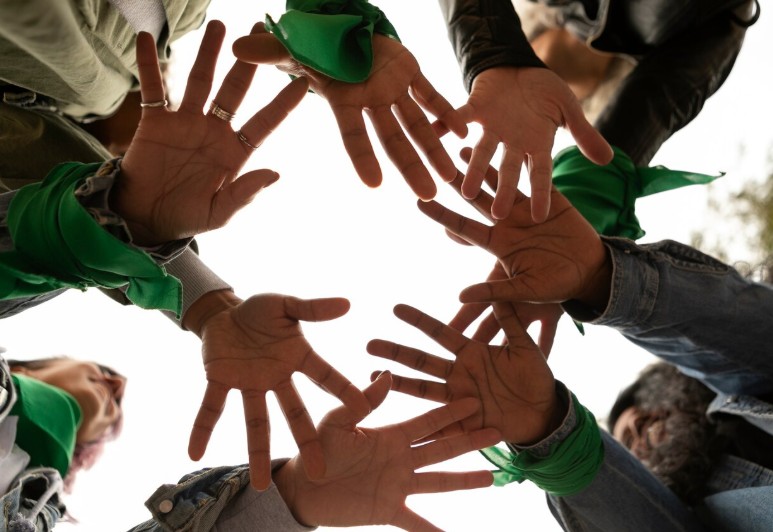
Social empowerment is about providing women with the ability to participate in social activities and express their opinions freely. This includes:
- Freedom of speech and expression.
- Participation in community decisions.
- Access to social services.
2. Economic Empowerment
Economic empowerment focuses on providing women with financial independence. This is achieved through:
- Access to education and skill development.
- Opportunities for employment and entrepreneurship.
- Equal pay for equal work.
3. Political Empowerment
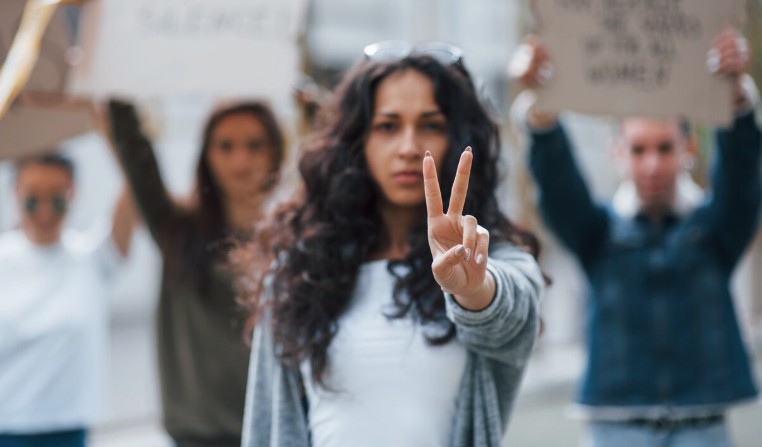
Political empowerment involves giving women the right to participate in politics and decision-making processes. This includes:
- Voting rights.
- The ability to run for public office.
- Representation in legislative bodies.
4. Educational Empowerment
Education is the foundation of empowerment. Educational empowerment ensures:
- Access to quality education.
- Opportunities for higher education.
- Skill development and vocational training.
5. Legal Empowerment
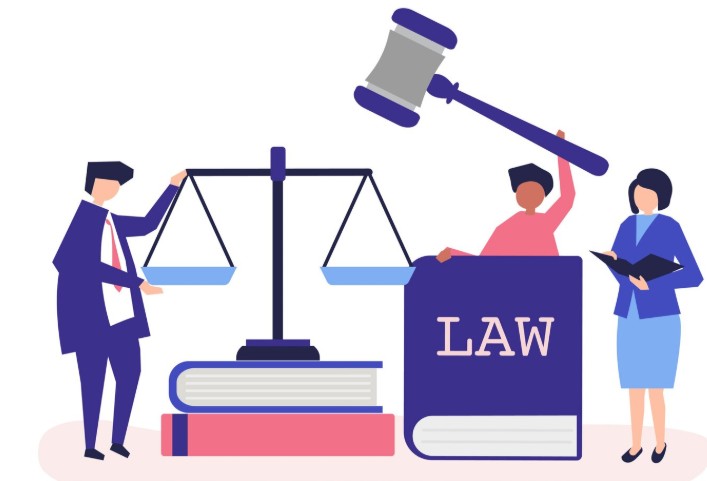
Legal empowerment provides women with the knowledge and ability to exercise their legal rights. This includes:
- Awareness of legal rights and protections.
- Access to legal support.
- Protection against discrimination and abuse.
6. Psychological Empowerment
Psychological empowerment focuses on building women’s self-esteem and confidence. This is achieved through:
- Counseling and mental health support
- Encouraging self-awareness and self-respect.
- Promoting positive self-image.
Historical Perspective of Women Empowerment
Women empowerment is not a new concept. Throughout history, women have fought for their rights and equality:
- Ancient Civilizations: In ancient Egypt, women could own property and conduct business.
- Medieval Period: Women in many cultures were restricted to household roles, but there were exceptions like Queen Elizabeth I of England.
- Industrial Revolution: Women began to work in factories, gaining some economic independence
- Women’s Suffrage Movement: Women around the world fought for and gained the right to vote in the 19th and 20th centuries
- Modern Era: Women have become world leaders, entrepreneurs, scientists, and pioneers in various fields.
Global Initiatives for Women Empowerment
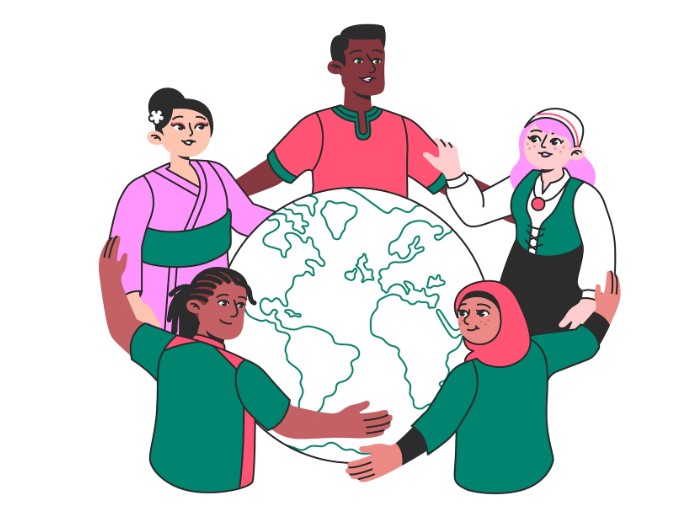
Several international organizations and governments have launched initiatives to promote women empowerment:
- United Nations (UN) Women: A UN organization dedicated to gender equality and women’s empowerment.
- The Convention on the Elimination of All Forms of Discrimination Against Women (CEDAW): An international treaty aimed at eliminating gender discrimination.
- HeForShe Campaign: A UN initiative encouraging men to support gender equality.
- The Sustainable Development Goals (SDGs): Goal 5 focuses on achieving gender equality and empowering all women and girls.
Challenges to Women Empowerment
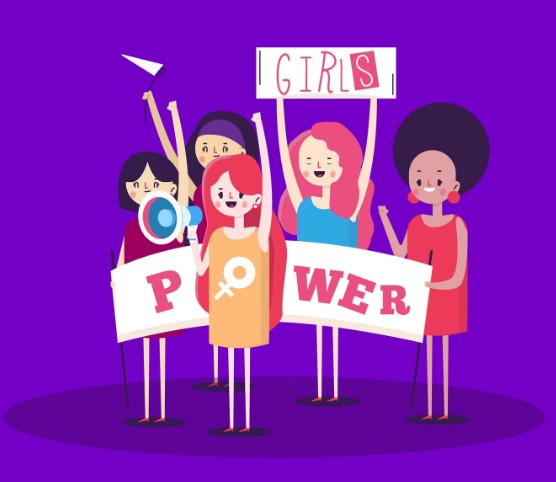
Despite significant progress, women empowerment still faces several challenges:
- Cultural and Social Norms: In many societies, traditional beliefs limit women’s roles.
- Lack of Education: Many women do not have access to quality education.
- Economic Inequality: Women often earn less than men for the same work.
- Gender-Based Violence: Domestic violence, harassment, and trafficking remain serious issues.
- Political Exclusion: Women are often underrepresented in politics and decision-making roles.
How to Promote Women Empowerment
To overcome these challenges and promote women empowerment, several measures can be taken:
- Education and Skill Development:
Provide access to quality education for girls and women.
Offer vocational training and skill development programs. - Economic Opportunities:
Promote women’s participation in the workforce.
Encourage women entrepreneurship with financial support. - Legal Protections:
Enforce laws protecting women from violence and discrimination.
Ensure women are aware of their legal rights. - Awareness Campaigns:
Conduct awareness programs to challenge stereotypes.
Promote positive representation of women in media. - Mentorship and Support:
Create support networks for women.
Encourage women to mentor other women.
Real-Life Success Stories of Women Empowerment
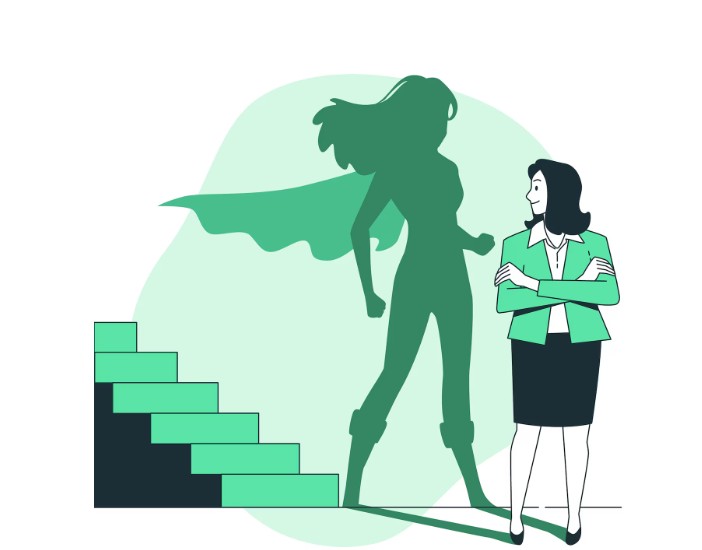
Women empowerment has transformed the lives of countless women around the world. Here are a few inspiring examples:
- Malala Yousafzai: A Pakistani activist who fought for girls’ education despite facing life-threatening challenges.
- Oprah Winfrey: A successful media mogul who rose from poverty to become one of the most influential women in the world.
- Mary Kom: An Indian boxer who broke stereotypes and became a world champion in a male-dominated sport.
The Role of Men in Women Empowerment
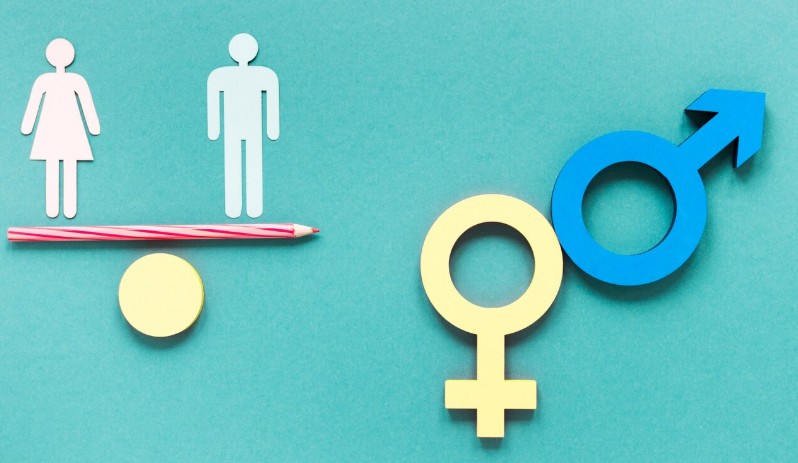
Women empowerment is not just a women’s issue. Men play a crucial role in this process by:
- Supporting women’s education and career goals.
- Challenging gender stereotypes.
- Advocating for gender equality in their communities.
Conclusion
Women empowerment is essential for creating a just, fair, and prosperous society. It ensures that women have the freedom to pursue their dreams, participate in decision-making, and live a life of dignity. Although significant progress has been made, there is still a long way to go. Governments, organizations, and individuals must work together to eliminate the barriers that prevent women from achieving their full potential. By empowering women, we empower society as a whole.
FAQs about Women Empowerment
Q1: What is the main purpose of women empowerment?
The main purpose of women empowerment is to provide women with the rights, opportunities, and resources needed to live an independent and fulfilling life.
Q2: How can education help in women empowerment?
Education provides women with knowledge, skills, and confidence, making them capable of making independent decisions and achieving their goals.
Q3: What are some examples of women empowerment initiatives?
Examples include the UN Women organization, the HeForShe campaign, and local NGOs providing skill development and legal support.
Q4: Why is economic empowerment important for women?
Economic empowerment ensures that women have financial independence, which is crucial for achieving overall empowerment.
Q5: Can men support women empowerment?
Yes, men can support women empowerment by advocating for gender equality, supporting women’s education, and challenging gender stereotypes.
For more information visit our site.