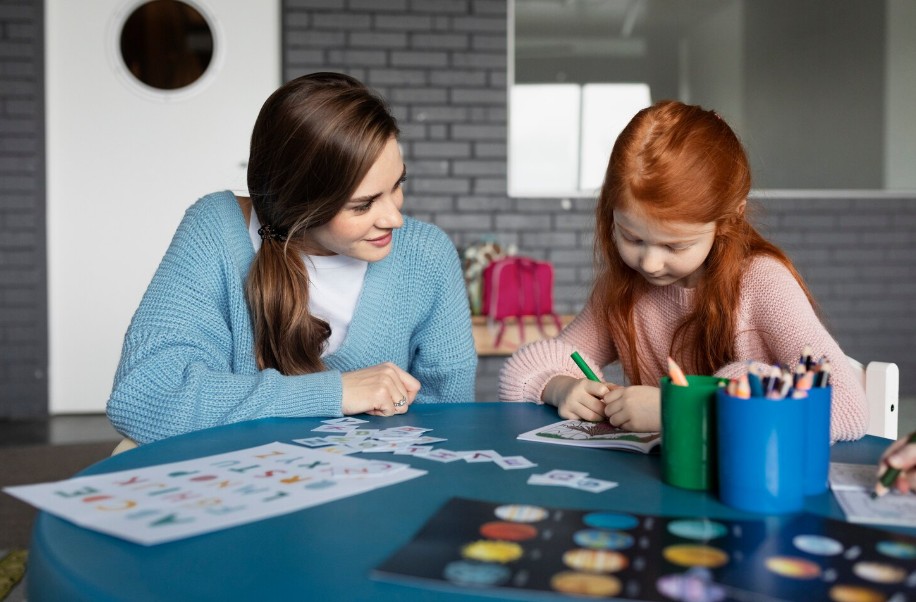
The early years of a child’s life play a crucial role in shaping future learning, wellbeing, and development. During this period, children are developing important cognitive, social, emotional, and physical skills that form the foundation for lifelong growth. High-quality early childhood experiences provide children with opportunities to explore, build relationships, develop confidence, and gain a sense of belonging.
Creating positive learning experiences involves more than teaching academic concepts. It requires a balanced approach that supports children’s overall development through meaningful interactions, engaging environments, and opportunities for play-based learning. When these elements work together, children are better equipped to navigate challenges and develop a positive attitude toward learning.
Table of Contents
The Importance of Secure Relationships
Strong and supportive relationships are at the heart of effective early childhood education. Children thrive when they feel safe, valued, and understood by the adults who care for them. Positive relationships help children develop trust, emotional security, and confidence in their abilities.
Consistent interactions with caring adults also support communication skills and emotional development. Through everyday conversations, encouragement, and guidance, children learn how to express themselves, manage emotions, and build healthy relationships with others. These experiences contribute to a strong sense of self and help children develop the social skills needed for future success.
Research on responsive relationships highlights the importance of nurturing interactions during the early years. These positive experiences help strengthen the foundations for learning, emotional wellbeing, and future success. Studies on early brain development also show that the first few years of life play a critical role in shaping the connections that support lifelong learning and development.
Learning Through Play and Exploration
Play is one of the most effective ways young children learn. Through play-based experiences, children naturally develop problem-solving abilities, creativity, communication skills, and critical thinking. Whether building with blocks, engaging in imaginative play, or exploring nature, children gain valuable knowledge through hands-on experiences.
Play also encourages children to test ideas, take initiative, and learn from mistakes in a supportive environment. These opportunities help foster curiosity and resilience while allowing children to develop a deeper understanding of the world around them.
Educators can support this process by providing open-ended materials and activities that encourage exploration, experimentation, and discovery. When children are given the freedom to investigate their interests, learning becomes more meaningful and engaging. Research on learning through play continues to demonstrate the important role play has in supporting children’s overall development.
Supporting Independence and Confidence
Developing independence is an important part of early childhood learning. Simple daily tasks such as choosing activities, managing personal belongings, helping with routines, or making decisions allow children to build confidence and self-reliance.
When children are encouraged to take responsibility for age-appropriate tasks, they develop a sense of competence and achievement. This confidence often extends into other areas of learning, helping children approach new experiences with enthusiasm and a willingness to try.
Providing opportunities for independence also helps children develop decision-making and problem-solving skills. These abilities become increasingly valuable as children grow and encounter more complex situations both inside and outside educational settings.
Creating Environments That Encourage Growth
The learning environment plays a significant role in children’s development. Well-designed spaces can encourage exploration, creativity, collaboration, and active participation. Children benefit from environments that offer a balance of structured learning opportunities and child-led experiences.
Access to both indoor and outdoor learning areas supports a wide range of developmental needs. Outdoor play, in particular, contributes to physical development, coordination, and overall wellbeing. Opportunities for movement, exploration, and nature-based activities help children build confidence while supporting healthy growth and learning.
A thoughtfully planned environment helps children feel comfortable, engaged, and motivated to participate in learning activities.
Taking a Whole-Child Approach to Early Learning
Children experience the greatest benefits when learning environments intentionally combine strong relationships, play-based learning, independence, and supportive surroundings. These interconnected elements help children develop socially, emotionally, physically, and cognitively while fostering a genuine love of learning.
Many educators and researchers advocate for a whole-child approach that recognises the connection between emotional wellbeing, social development, physical activity, and learning outcomes. Understanding holistic early childhood education can provide valuable insights into how these areas work together to create positive learning experiences.
By considering every aspect of a child’s growth rather than focusing on a single area of development, educators can create environments that help children build confidence, resilience, and the skills needed for future success.
Conclusion
Positive early learning experiences lay the foundation for children’s future growth and success. By nurturing secure relationships, encouraging play and exploration, supporting independence, and creating engaging environments, educators and families can help children develop the skills and confidence they need to thrive. When these elements are integrated into daily experiences, children are better prepared for lifelong learning and personal development.
For more information visit our site.