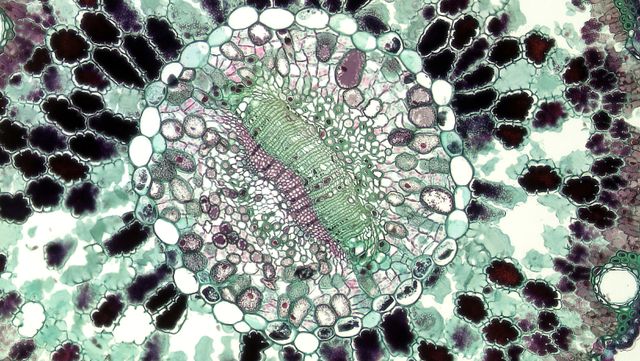
Every organism consists of tiny building blocks known as cells. These microscopic structures carry out crucial functions that maintain the existence of organisms. Cells can be found everywhere, starting as small as bacteria and extending to the largest animal. They collaborate to support growth, repair and survival.
Understanding why is the cell called the structural and functional unit of life can be used to explain how living organisms work. It is the basis of studying life sciences and biology.
Table of Contents
What Is a Cell?
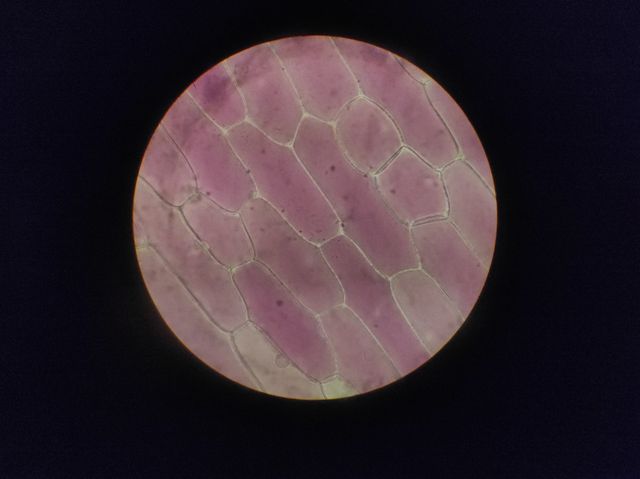
The smallest living unit which can carry out all fundamental life processes is called a cell. It has special structures known as organelles that perform various functions. Every organism is made up of one or more cells based on the complexity.
Unicellular organisms are those that carry out all functions of life with one cell. Multicellular organisms have millions of cells that are effectively working together. This organization causes cells to be vital for maintaining life.
Why Are Cells Called the Structural Unit of Life?
All living organisms are made up of cells. Same cells are united to create tissues that perform certain functions. Various tissues form organs and organ systems.
These systems carry out necessary biological functions within the body. No living structure would be possible without cells. This is the reason why is the cell called the structural and functional unit of life structurally.
Why Are Cells Called the Functional Unit of Life?
Every life process occurs within a cell. Cells absorb nutrients, generate energy, eliminate waste and react to the environmental changes. They support the growth of organisms, repairing broken tissues and reproduction.
Each cell has specialized functions based on the location. To illustrate, nerve cells convey messages, whereas muscle cells facilitate movement. These are the functions that make cells the fundamental working units of any organism.
Functions Performed by Cells
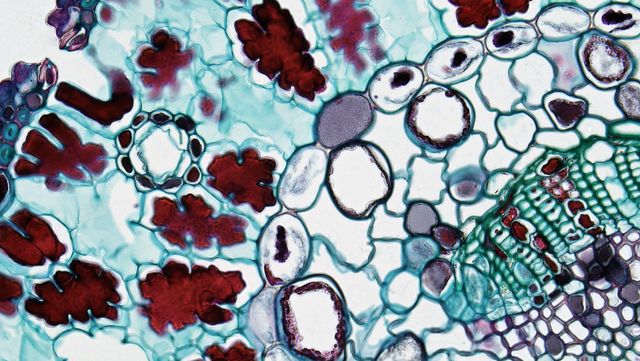
The cells carry out various crucial functions that enable living organisms to survive, multiply and even perform their functions effectively.
Energy Production
Cellular respiration is the process by which cells transform nutrients into usable energy. This energy drives movement, growth and other vital body processes. Living organisms cannot survive or carry out their daily activities without the production of energy.
Growth and Repair
Division of cells is a continuous process to replace the old, damaged or dead cells. The process helps in body development and tissue recovery. It is useful in preserving healthy organs throughout the lifetime of an organism.
Transport of Materials
The movement of nutrients, oxygen, water, and waste materials is regulated by cells. This transport is controlled and ensures internal balance within the body. It makes sure that each cell gets the necessary materials to ensure proper functioning.
Response to Stimuli
Cells sense variations in the surrounding environment using specially designed receptors. They react very fast to both internal and external signals. This functioning helps organisms to adapt, protect themselves and sustain normal body functions.
Importance of Cells in Living Organisms
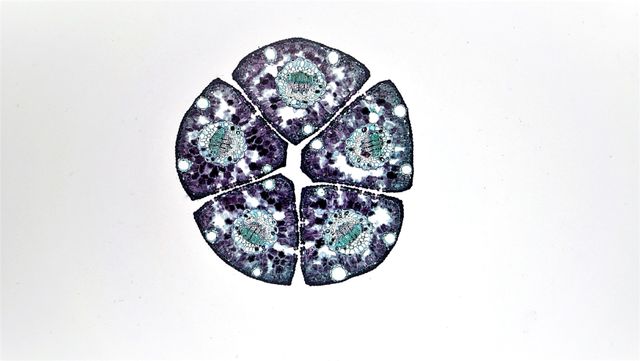
Cells support every essential activity needed for survival and healthy body functioning. They work together to maintain growth, repair, and development. Specialized cells perform different roles across various organs. This coordination keeps the body functioning efficiently every day.
Understanding why Is the cell called the structural and functional unit of life becomes easier through these cellular functions. It also explains the importance of cells in sustaining all living organisms.
Examples of Cellular Functions
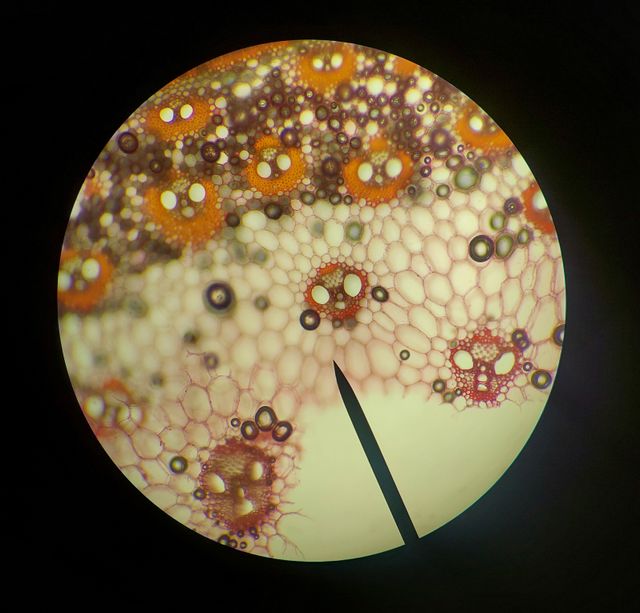
Various kinds of cells have specialized functions that contribute to the survival and effective functioning of living organisms.
- Body movement and posture is made possible by the contraction of muscle cells.
- Oxygen is taken to body tissues by the red blood cells.
- White blood cells safeguard the body against harmful microorganisms
- Plant cells use sunlight during the process of food preparation.
- Nerve cells carry signals that coordinate body functions and responses.
- Bone cells make the skeleton stronger and help in constant bone growth and repair.
Conclusion
Cells are the backbone of the organization and existence of all living things. They form tissues, hold organs and carry out very important life processes every day. Every biological process requires healthy and active cells.
Knowing why is the cell called the structural and functional unit of life is helpful to explain how organisms grow, function, and adapt. This concept has been considered one of the most significant in biology and life sciences.
For more information, visit our website.